
15 November 2026 | By Admin
Overview
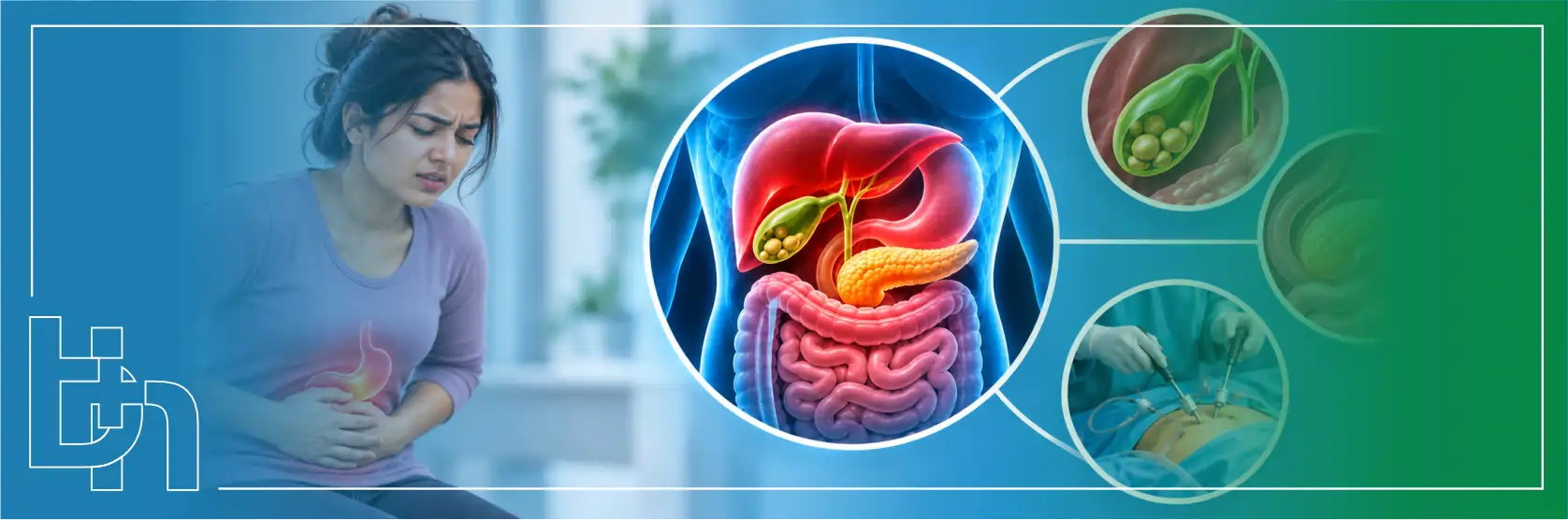
The upper abdomen holds the stomach, liver, gallbladder, pancreas and the first part of the small intestine. Eating sets these organs to work. The gallbladder squeezes bile into the gut, the pancreas releases digestive enzymes and the stomach produces acid. If one of them is inflamed or blocked, that extra activity can trigger pain soon after a meal. Many causes are manageable, but some need urgent care. Knowing the difference helps you decide when acute abdominal pain treatment in Mumbai is needed.
What Causes Severe Pain After Meals?
Why Does My Upper Abdomen Hurt After Eating?
Food triggers your gallbladder, pancreas and stomach to work harder. If a gallstone is in the way, pain appears within an hour or so of a heavy or oily meal. If the pancreas is inflamed, any meal can worsen the pain. In ulcer disease, acid and food irritate the sore. Occasional mild discomfort is common and often related to acidity. Pain that is severe, repeated, or accompanied by other symptoms is not something to put up with.
Warning Signs
Gallbladder Attack, Pancreatitis or Surgical Emergency?
It is hard to tell from symptoms alone, which is why examination and tests matter. Gallbladder pain is typically in the upper right abdomen and eases after a few hours. Pancreatitis pain is usually in the upper middle abdomen, goes through to the back and often improves when leaning forward. A surgical emergency, such as a perforated ulcer, appendicitis or obstruction, tends to bring a rigid abdomen, fever or vomiting and rapid worsening.
How Doctors Diagnose It
A doctor examines the abdomen and checks vital signs. Blood tests look at infection markers, liver function and pancreatic enzymes such as amylase and lipase. An abdominal ultrasound is the first scan for gallstones. A CT scan or MRCP may follow for the pancreas and bile ducts. A gastroenterologist in Mumbai may also advise an upper endoscopy when an ulcer or bile duct stone is suspected.
Treatment
When to See a Doctor
Get medical help the same day for pain that does not ease, or that comes with fever, vomiting or yellowing of the eyes. Go to an emergency department for severe pain, a rigid abdomen, vomiting blood, black stool or fainting. Avoid taking strong painkillers repeatedly, since they can hide the signs.
Where Can I Get Emergency Treatment for Severe Abdominal Pain in Mumbai?
Choose a hospital with 24x7 emergency services, imaging, and both gastroenterology and surgical teams. Bhatia Hospital in Tardeo, South Mumbai, offers 24x7 emergency services and has gastroenterology, general and laparoscopic surgery, and colorectal surgery departments. Mention when the pain began and what you ate.
Prevention and Recovery
Conclusion
Pain after meals can be as simple as acidity or as serious as pancreatitis or a perforated ulcer. The pattern, severity and accompanying symptoms help sort the two. When the pain is severe, persistent or paired with fever, vomiting or jaundice, get evaluated quickly. If you are looking for the best general surgeon in Mumbai or a gastroenterology opinion, choose a hospital with both teams available. The teams at Bhatia Hospital can help assess severe abdominal pain.
FAQs
1. Can gallstones exist without causing pain?
Yes. Many people have silent gallstones that are found incidentally and may need no treatment.
2. Can gallstones be dissolved with diet or home remedies?
No. Diet changes can reduce triggers, but they do not remove stones. Procedures are used when symptoms keep recurring.
3. Is it safe to take painkillers before seeing a doctor?
Avoid repeated use. Some painkillers irritate the stomach, and strong ones can mask a developing emergency.
4. Can I live normally without a gallbladder?
Yes. The liver still makes bile. Some people have looser stools for a while after surgery.
5. How long is recovery after laparoscopic gallbladder surgery?
Most people go home within a day or two and return to light activity within about a week, though it varies.
6. Can pancreatitis happen more than once?
Yes, especially if the cause, such as gallstones or alcohol, is not addressed.
7. What foods should I avoid during recovery?
Your doctor will advise, but fried, oily and heavy meals and alcohol are commonly restricted.