Knee Pain — Causes, Treatment Options & When Knee Replacement Is Needed
16 June 2026 | By Admin
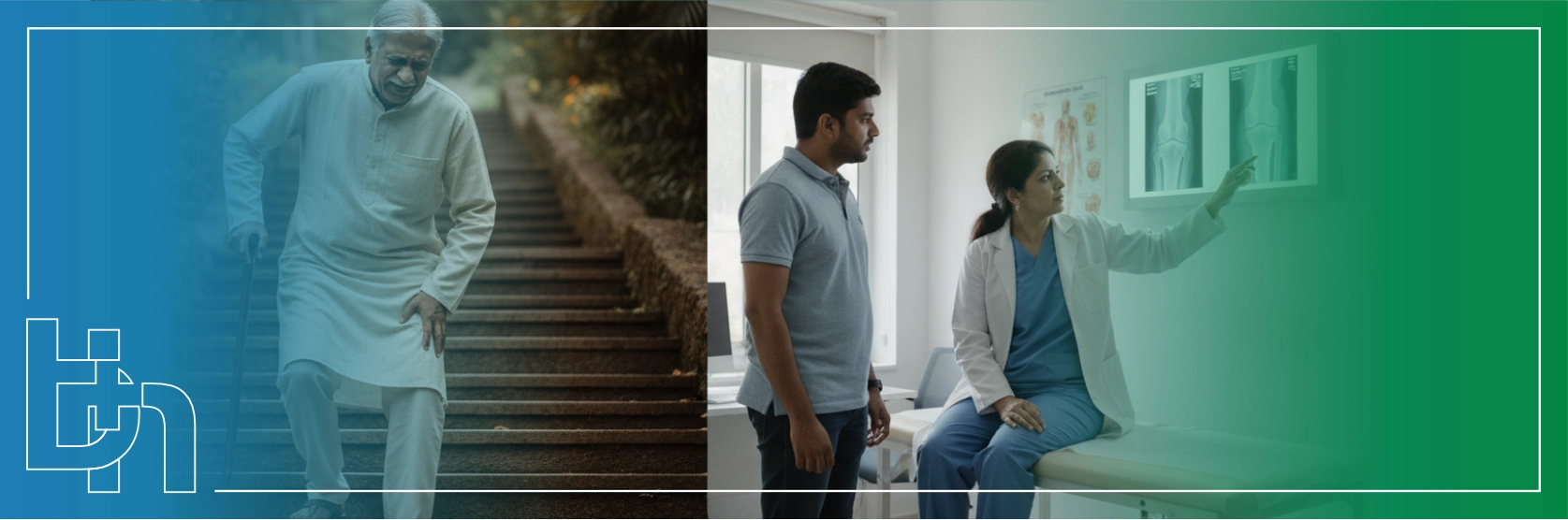
Knee pain does not discriminate by age. Injury, prolonged wear, arthritis, or excess weight can all bring it on. For many people it starts as an occasional nuisance, a slight ache after a long walk or morning stiffness, and gradually becomes something that shapes the entire day. Climbing stairs, walking to the market, sitting down and standing back up: pain has a way of making every small movement feel like a negotiation.
The encouraging news is that orthopaedic care has improved considerably. A timely knee pain checkup can prevent conditions from worsening and, often, restore comfortable movement without surgery. For more severe cases, knee replacement treatment remains a well-established option that has helped a large number of patients regain both mobility and independence.
Overview of Knee Pain
The knee is the largest joint in the body and one of the most mechanically complex. Bones, cartilage, ligaments, tendons, and surrounding muscles all work in coordination to support movement and bear the body's weight. Symptoms worth paying attention to include:
● Swelling and stiffness, particularly after rest
● Redness or warmth around the joint
● Difficulty fully bending or straightening the leg
● A clicking, grinding, or locking sensation during movement
● A feeling of weakness or the knee giving way unexpectedly
● Pain during walking, standing, or climbing stairs
Getting a proper evaluation from a joint pain specialist doctor in Mumbai early on makes a significant difference both in identifying the cause and in preventing unnecessary deterioration.
Common Causes of Knee Pain
Osteoarthritis: The most prevalent cause of chronic knee pain, especially in adults over 50. Protective cartilage wears down, and bones begin to rub against one another, producing persistent pain, morning stiffness, reduced flexibility, and swelling. It tends to progress gradually, which is why many people put off seeking care until symptoms become severe.
Rheumatoid arthritis: An autoimmune condition in which the immune system attacks the joint lining, causing inflammation, pain, and long-term structural damage if not managed properly.
Sports and activity injuries: ACL tears, meniscus damage, ligament sprains, and tendon strains are common among athletes, typically resulting from sudden twisting movements, awkward landings, or direct impact.
Obesity: Every extra kilogram compounds pressure on cartilage with each step, accelerating wear and increasing the likelihood of chronic pain.
Bursitis and tendinitis: Inflammation of the bursae or tendons causes localised discomfort, swelling, and restricted movement, particularly during repetitive activities.
Fractures and trauma: Falls and direct blows can cause fractures or structural damage, resulting in severe pain and sudden loss of function. Imaging is required to assess the full extent of injury.
Consulting the best orthopaedic doctor in Mumbai allows for accurate diagnosis through clinical examination and imaging, so the right treatment path is chosen from the beginning.
Knee Pain Treatment Options
Rest and activity modification — Scaling back activities that aggravate symptoms gives the joint time to settle. This approach means being selective, not completely inactive.
Physical therapy — Targeted exercises strengthen the quadriceps, hamstrings, and calf muscles that support the knee, translating directly into better joint stability and reduced pain.
Medications and injections — Anti-inflammatory medications manage acute discomfort. For more persistent cases, corticosteroid injections, hyaluronic acid injections, or regenerative therapies can provide meaningful relief before you need to take more invasive steps.
Weight management — Losing even a modest amount of weight measurably reduces load on knee joints and slows cartilage deterioration.
Braces and supports — Supportive devices improve alignment and reduce strain during daily movement and exercise.
When Is Knee Replacement Surgery Needed?
Conservative care works well for a large proportion of patients, but some continue to experience significant pain despite sustained non-surgical treatment. Knee replacement surgery tends to be considered when:
● Pain persistently disrupts sleep, walking, or everyday tasks
● Imaging confirms advanced cartilage loss or joint destruction
● Structural deformity (bow-legged or knock-kneed alignment) has developed
● Stiffness has become severe enough to restrict independence
● Medications, therapy, and injections have stopped providing adequate relief
Modern surgical techniques have improved recovery timelines considerably, and patients generally return to normal activities faster than was possible a decade ago.
Prevention Tips
● Maintain a healthy weight to reduce joint load
● Stay active with low-impact options, walking, swimming, cycling, and yoga are all joint-friendly
● Build strength in the muscles surrounding the knee to improve stability
● Use correct technique during exercise and sport to avoid unnecessary strain
● Wear footwear that supports proper alignment
● Do not ignore persistent symptoms, early attention prevents small problems from becoming large ones. Visit the orthopaedic hospital in Mumbai for better treatment
Conclusion
Knee pain, left unaddressed, has a way of quietly narrowing a person's life, limiting movement, disrupting sleep, and making even routine activities feel difficult. Most cases respond well to a structured course of conservative care; for those that do not, knee replacement surgery is a reliable, well-refined option. The common thread across all successful outcomes is the same: early assessment, appropriate treatment, and care delivered by a team with genuine clinical experience. If knee pain has been affecting your daily life, the best first step is a thorough knee pain check-up, not to continue waiting.
Struggling with knee pain?
Book a consultation at Bhatia Hospital, Mumbai. Our orthopaedic team provides expert diagnosis, non-surgical treatment, and surgical options, including knee replacement surgery with structured rehabilitation.