
19 November 2026 | By Admin
Overview
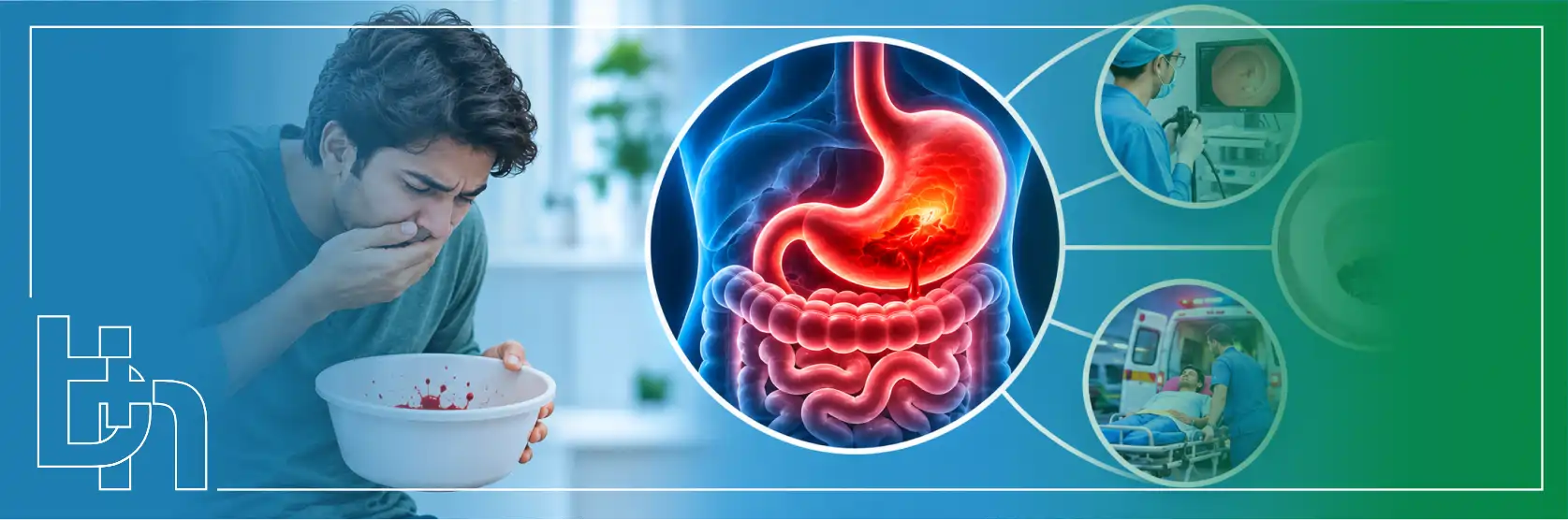
The digestive tract runs from the mouth to the anus, and bleeding can start anywhere along it. Doctors divide it into the upper tract (oesophagus, stomach and first part of the small intestine) and the lower tract (small intestine, colon, rectum and anus). Some bleeding is slow and shows up only as anaemia. Some is brisk and life-threatening. Because blood loss can be hidden until a person becomes dizzy or faint, gastrointestinal bleeding treatment in Mumbai often starts with an emergency visit.
What Is Gastrointestinal Bleeding?
GI bleeding means blood loss from any part of the digestive system. It can be visible, as vomited blood or blood in the stool, or hidden, found only on tests. The source, speed and amount of bleeding decide how urgent the situation is.
What Does Black Stool or Vomiting Blood Mean?
Black, tarry, foul-smelling stool is called melaena and usually means blood has been digested on its way through the gut, most often from the stomach or upper intestine. Vomiting bright red blood suggests active bleeding in the upper tract. Vomit that looks like coffee grounds means blood that has been partly digested by stomach acid. Bright red blood in the stool is more often from the lower tract, but a heavy upper bleed can also cause it.
Iron tablets, bismuth medicines, beetroot and some foods can darken or redden stool, but do not assume that is the reason. Both signs should be taken seriously until a doctor says otherwise.
Causes
Symptoms and Warning Signs
How Doctors Diagnose It
The first priority is checking pulse, blood pressure and haemoglobin to see how much blood has been lost. Blood tests also assess clotting and kidney function. The key test for upper bleeding is an upper GI endoscopy. In Mumbai, as elsewhere, endoscopy in Mumbai hospitals lets doctors see the bleeding site and often treat it in the same session. A colonoscopy is used for lower bleeding. CT angiography or capsule endoscopy may be used when the source is hard to find.
Treatment
When to See a DoctorWhen to See a Doctor
Go to an emergency department right away for vomiting blood, black stool, fainting, or a racing heartbeat. Even a small amount of blood in the stool that returns repeatedly should be checked, since piles are common but not the only cause.
Where Can I Get Emergency Treatment for Gastrointestinal Bleeding in Mumbai?
Choose a hospital with 24x7 emergency services, a gastroenterology team and ICU support. Bhatia Hospital in Tardeo, South Mumbai, offers 24x7 emergency services and has a gastroenterology department and ICU care. Do not eat or drink while travelling, as an endoscopy may be needed, and carry a list of your medicines.
Prevention and Recovery
Conclusion
Blood in vomit or black stool is never something to wait out. Fast assessment, a clear diagnosis and early endoscopic treatment stop most bleeding and prevent complications. If you are looking for the best gastroenterologist in Mumbai, pick a team that can combine emergency care, endoscopy and ongoing follow-up. If you notice any of these signs, the gastroenterology and emergency teams at Bhatia Hospital are available for evaluation.
FAQs
1. Can piles cause blood in the stool, and is it serious?
Yes, piles are a common cause of bright red blood. They are often not dangerous, but other causes must be ruled out, especially in people over 40.
2. Can stress cause GI bleeding?
Stress alone rarely does, but severe physical stress such as major illness or surgery can cause stomach ulcers that bleed.
3. Does everyone with GI bleeding need a blood transfusion?
No. It depends on haemoglobin level, the speed of bleeding and the patient's heart condition.
4. Is an endoscopy painful?4. Is an endoscopy painful?
It is usually done with throat numbing or sedation, so most people feel little discomfort. A sore throat or bloating afterwards is common.
5. Can ulcer bleeding come back?
It can, especially if H. pylori is untreated or painkillers continue. Completing treatment lowers the risk.
6. How long does recovery take?
Many people recover in days to a couple of weeks, but anaemia can take longer to correct and may need iron treatment.
7. What should I eat after a bleeding episode?
Your doctor will advise. Light, soft meals are commonly suggested at first, and spicy food and alcohol are best avoided