14 May 2026 | By Admin
Introduction
Healthcare in India is undergoing a significant transformation. Artificial Intelligence (AI) is no longer an emerging concept confined to research labs it is actively reshaping how hospitals diagnose illnesses, monitor patients, manage operations, and deliver treatment. Across major healthcare centres, particularly in Mumbai, smart hospitals are integrating AI-driven technologies to enhance both clinical outcomes and operational efficiency.
The shift is visible not only in modern infrastructure but also in the way healthcare decisions are made. From diagnostic imaging and intensive care monitoring to appointment scheduling and resource management, AI is helping hospitals deliver faster, more accurate, and more personalised care. Bhatia Hospital is part of this evolution, embracing technology-enabled processes that support improved patient outcomes while maintaining the human expertise at the heart of healthcare.
What AI Actually Does in a Hospital Setting
At its core, AI helps healthcare professionals analyse large volumes of medical data quickly and efficiently. By processing scans, laboratory reports, patient histories, and real-time vital signs, AI systems can identify patterns and provide insights that support clinical decision-making.
Rather than replacing doctors, AI acts as an intelligent support system, enabling clinicians to make more informed decisions in less time. Today, AI is being used across multiple areas of healthcare, including:
Some of these applications operate behind the scenes, while others directly influence how quickly patients receive diagnoses and treatment.
AI-Powered Diagnostics: Improving Accuracy and Speed
Timely and accurate diagnosis is critical to effective healthcare. Delays in identifying conditions or overlooking abnormalities in imaging studies can significantly impact patient outcomes.
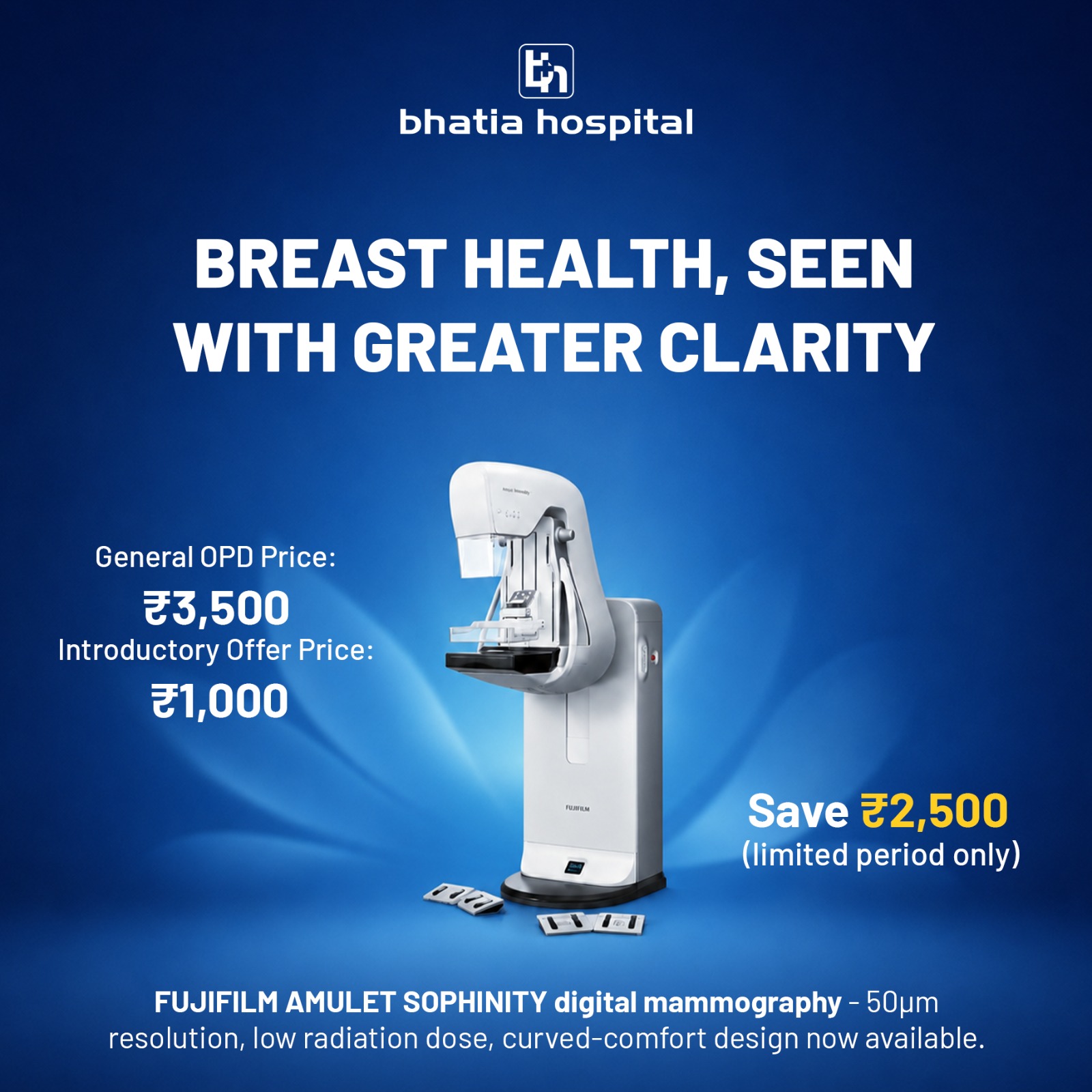
AI-powered diagnostic tools are helping address these challenges by assisting radiologists and clinicians in analysing medical images such as CT scans, MRIs, mammograms, and chest X-rays. Advanced algorithms can highlight potential abnormalities, including:
These technologies provide an additional layer of review, helping clinicians identify findings that may otherwise be overlooked during busy workflows. The result is often faster reporting, earlier intervention, and improved patient outcomes.
Importantly, AI complements rather than replaces medical expertise. Final diagnoses remain the responsibility of qualified healthcare professionals who interpret AI-generated insights within the broader clinical context.
Continuous Monitoring in Critical Care
In traditional hospital settings, patient vital signs are assessed at regular intervals. However, a patient's condition can change rapidly between scheduled checks.
AI-enabled monitoring systems provide continuous surveillance of critical parameters such as:
These systems can instantly detect concerning trends and alert healthcare teams before a patient's condition deteriorates significantly. In intensive care units (ICUs), such early-warning capabilities support faster intervention and better management of high-risk patients.
Continuous monitoring represents one of the most practical examples of how advanced healthcare technologies are improving patient safety in real-world clinical environments.
Personalised Treatment and Patient Care
No two patients respond to treatment in exactly the same way. Factors such as age, genetics, lifestyle, medical history, and existing health conditions all influence outcomes.
AI systems can analyse comprehensive patient data to help healthcare providers develop more personalised treatment strategies. By identifying patterns across large datasets, AI can assist clinicians in selecting therapies that are better aligned with an individual patient's needs.
This approach is particularly valuable in areas such as:
Personalised care helps improve treatment effectiveness while reducing the likelihood of unnecessary interventions or adverse reactions.
How AI Improves Hospital Operations
While clinical applications often receive the most attention, operational efficiency plays an equally important role in delivering quality healthcare.
Hospitals manage complex systems involving patients, staff, equipment, and supplies. AI-driven operational tools help optimise these processes by supporting:
By predicting admission volumes and identifying potential bottlenecks before they occur, AI helps hospitals operate more efficiently. For patients, this translates into shorter waiting times, smoother care transitions, and an overall improved healthcare experience.
AI in Emergency Care
During medical emergencies, every minute matters. Rapid assessment and treatment can significantly influence outcomes for conditions such as stroke, heart attack, trauma, and severe respiratory distress.
AI-powered systems assist emergency departments by:
These capabilities help healthcare teams respond more quickly and allocate resources more effectively during critical situations.
Remote Care and Expanding Access to Healthcare
The growth of telemedicine has transformed how patients access healthcare services, particularly those living in remote areas or managing long-term health conditions.
AI enhances remote healthcare through:
For elderly patients and individuals requiring ongoing care, these technologies enable healthcare providers to monitor health status between hospital visits and intervene when necessary.
As healthcare systems continue to evolve, technology is increasingly improving both the quality of care and access to medical services across India.
Data Security and Ethical Considerations
While AI offers significant benefits, its implementation also presents important challenges.
Healthcare data is highly sensitive, and hospitals must ensure that patient information remains secure and confidential. Effective AI adoption requires robust cybersecurity measures, strong data governance policies, and compliance with applicable healthcare regulations.
Additionally, healthcare professionals must receive appropriate training to understand AI-generated insights and recognise the limitations of automated systems. AI should support clinical decision-making, not replace professional judgement.
Transparency, accountability, and human oversight remain essential to ensuring the ethical and responsible use of AI in healthcare.
The Rise of Smart Hospitals in Mumbai
Mumbai is emerging as a leading centre for healthcare innovation. Many hospitals are investing in technologies that support smarter, more connected healthcare delivery.
Modern smart hospitals increasingly incorporate:
These investments are helping healthcare providers improve efficiency, enhance patient experiences, and deliver more data-driven care.
As adoption continues to grow, the smart hospital model is expected to become a defining feature of healthcare delivery across India's major urban centres.
Bhatia Hospital's Technology-Enabled Approach to Care
Bhatia Hospital is committed to combining medical expertise with modern healthcare technologies to support better patient outcomes. By integrating advanced diagnostic capabilities, streamlined workflows, and technology-enabled care processes, the hospital aims to provide efficient, coordinated, and patient-centred healthcare.
The focus remains on using innovation where it creates genuine value supporting faster diagnoses, improving communication between care teams, and enhancing the overall patient journey while preserving the clinical judgement and compassionate care that patients expect.
Conclusion
Artificial Intelligence is not replacing healthcare professionals it is enhancing their ability to deliver timely, accurate, and personalised care. From advanced diagnostics and continuous monitoring to operational efficiency and remote healthcare services, AI is already creating meaningful improvements across the healthcare ecosystem.
As adoption continues to accelerate, smart hospitals will play an increasingly important role in shaping the future of healthcare in India. Patients can expect faster diagnoses, better-coordinated treatment, improved monitoring, and more efficient hospital experiences, all supported by technologies designed to strengthen not replace the expertise of healthcare professionals.
For patients seeking high-quality healthcare in Mumbai, hospitals that embrace responsible, patient-focused innovation are helping set new standards for modern medical care.